
The Primate Action of Amygdala Hijack: Exploring the Human Factors Involved in Shock and Loss of Control
Introduction
In the face of unexpected or threatening situations, humans are susceptible to experiencing shock and losing control over their emotions and actions. These reactions can be attributed to a primal response deeply ingrained within our brains known as amygdala hijack. This blog post aims to shed light on the human factors involved in shock and loss of control, with a specific focus on the amygdala’s role in triggering this response. By understanding this phenomenon, we can gain insight into how our primal instincts affect our behaviour and learn strategies to regain control in such situations.
 Understanding Shock and Loss of Control
Shock is a physiological and psychological response that occurs when an individual encounters a sudden, intense, or traumatic event. This response can disrupt cognitive functions, leading to a temporary loss of control over emotions, thoughts, and actions. The intensity of the shock can vary from person to person, and the resulting loss of control may manifest in different ways.
One crucial aspect of shock and loss of control lies in the amygdala, an almond-shaped structures deep within the brain responsible for processing emotions, particularly fear and anxiety. The amygdala acts as an alarm system, quickly assessing threats and activating the body’s fight-or-flight response. However, in certain situations, the amygdala can override the rational thinking processes of the prefrontal cortex, leading to an amygdala hijack.
The Primate Action of Amygdala Hijack
The concept of amygdala hijack was coined by psychologist Daniel Goleman to describe how the amygdala can override rational thought processes during emotional situations. This response is evolutionarily rooted in our primate ancestors, where quick reactions to potential threats were necessary for survival. While these responses were crucial for our ancestors’ survival, they can sometimes hinder our ability to make reasoned decisions in modern-day life.
During an amygdala hijack, the amygdala detects a threat and activates the sympathetic nervous system, triggering the release of stress hormones such as adrenaline and cortisol. These hormones prepare the body for immediate action, redirecting blood flow to vital organs, increasing heart rate, and sharpening focus. However, this heightened state of arousal can impair rational thinking, inhibiting the individual’s ability to evaluate situations accurately and make thoughtful decisions.
Several factors can contribute to the occurrence of an amygdala hijack. Past traumatic experiences, chronic stress, and anxiety can sensitise the amygdala, making it more prone to overreacting to perceived threats. Additionally, the amygdala’s response can be influenced by environmental cues, social context, and cultural conditioning. For instance, if an individual has a phobia of snakes, encountering one unexpectedly may trigger an exaggerated amygdala response and subsequent loss of control.
Regaining Control and Managing Amygdala Hijack 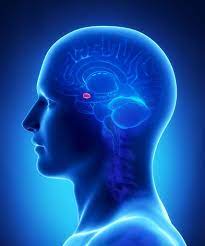
While the amygdala hijack response is automatic and difficult to control, individuals can learn to manage and regain control over their emotions and actions through various strategies:
- Awareness and Recognition: Developing self-awareness is crucial to recognise the signs of an amygdala hijack. By understanding the physiological and emotional changes associated with the response, individuals can identify when they are at risk of losing control.
- Breathing and Mindfulness: Focusing on deep, slow breathing helps activate the parasympathetic nervous system, which counteracts the sympathetic nervous system’s effects. Mindfulness practices, such as meditation or grounding techniques, can also help individuals regain control by redirecting attention away from the perceived threat.
- Cognitive Reframing: Challenging irrational thoughts and reframing negative interpretations can help reestablish rational thinking. By consciously questioning the validity of fearful beliefs, individuals can regain control over their thought processes and subsequent actions.
- Emotional Regulation Techniques: Engaging in activities that promote emotional regulation, such as physical exercise, journaling, or talking to a trusted friend or therapist, can help dissipate the intensity of emotions and regain a sense of control.
- Exposure Therapy: For individuals with specific phobias or fears, gradually exposing themselves to the trigger in a controlled and supportive environment can help desensitise the amygdala’s response over time.
Conclusion
In situations of shock and loss of control, the amygdala hijack response can override rational thinking and hinder decision-making processes. Understanding the human factors involved in this phenomenon provides insights into our evolutionary heritage and the challenges we face in navigating modern life. By implementing strategies such as self-awareness, mindfulness, cognitive reframing, emotional regulation, and exposure therapy, individuals can regain control over their emotions and actions, ultimately leading to healthier and more adaptive responses in the face of unexpected or threatening situations. Remember, while the amygdala hijack is a powerful instinct, it is possible to harness its energy and channel it towards constructive outcomes.
Are you interested in delving deeper into the fascinating world of human factors, amygdala hijack, and regaining control? Neuron Coaching Training and Consultancy is here to guide you on this transformative journey.
Contact us today to learn more about our specialised training programs and consultancy services designed to empower your staff and leaders. Our team of experts combines cutting-edge research with practical strategies to help individuals and organisations navigate the challenges of shock, loss of control, and emotional responses.
Discover how our tailored coaching and training solutions can enhance emotional well-being, improve decision-making, and foster a resilient and thriving work environment. Don’t miss the opportunity to equip yourself and your team with the tools necessary to navigate the complexities of the human mind.
To embark on this transformative experience, reach out to Neuron Coaching Training and Consultancy. Our dedicated team is ready to answer your questions, discuss your specific needs, and create a customised plan that aligns with your goals.
Take the first step towards empowering yourself and your team. Contact Neuron Coaching Training and Consultancy today and unlock the full potential of your organisation. Together, we can build a future where emotional intelligence and control pave the way to success.
#AmygdalaHijack #LossOfControl #EmotionalResponse #ShockRecovery #RegainingControl #CopingStrategies #MindfulnessPractice #EmotionalWellbeing #StressManagement #PsychologicalResponse #neuroncoaching
