
From Emergency Services to Leadership: How Skills Learned in High-Pressure Environments Can Drive Success in the Corporate World
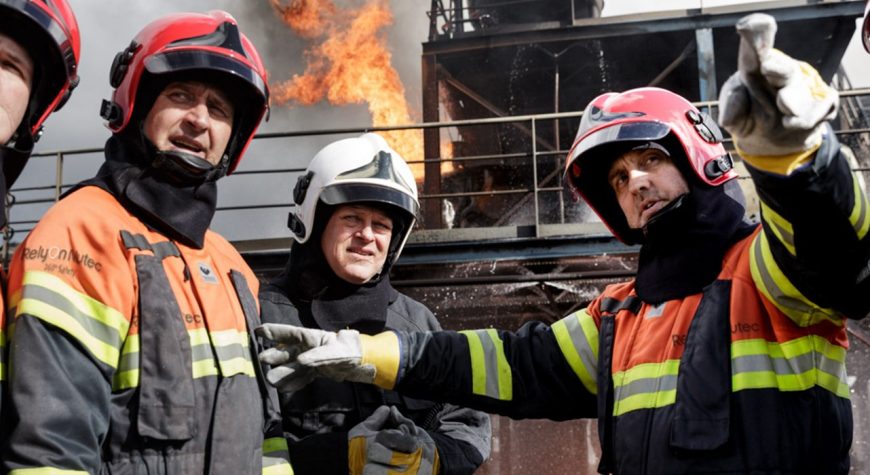
As an ex-professional firefighter and paramedic, I have experienced firsthand the intensity and pressure of working in emergency situations. In these scenarios, it’s crucial to think on your feet, make quick decisions, and communicate effectively with your team. These are skills that are not only applicable in emergency services but also transferable to the leadership arena. In this blog post, I will explain how the skills learned in the dynamic environment of emergency services can benefit executives, leaders, and teams in the private sector.
Quick decision-making 
In emergency situations, quick decision-making can mean the difference between life and death. Firefighters and paramedics are trained to make decisions under pressure and with limited information. This skill is transferable to the business world, where leaders are often required to make decisions in high-pressure situations. The ability to make quick decisions with confidence can help leaders avoid indecision, hesitation, and delays, which can ultimately affect the success of a project or business.
Quick decision-making is a critical skill for leaders in any field. In dynamic and high-pressure environments, such as emergency services, the ability to make quick, effective decisions can be the difference between success and failure.
Effective quick decision-making requires a combination of experience, knowledge, and intuition. Leaders who have a deep understanding of their team and their organisation, as well as the environment they are operating in, are better equipped to make quick decisions that align with their organisation’s goals and values.
It’s important to note that quick decision-making does not mean hasty or rash decision-making. Rather, it involves the ability to gather information quickly, assess risks and benefits, and weigh options in a structured and organised manner. Leaders who are skilled at quick decision-making are able to make informed decisions with limited information, adapt to changing circumstances, and communicate their decisions effectively to their team.
To develop quick decision-making skills, leaders should focus on improving their critical thinking and problem-solving abilities, as well as their ability to manage stress and remain calm under pressure. They should also be open to feedback and learning from both successes and failures and be willing to adjust their approach as needed.
Quick decision-making is a crucial skill for leaders to have, especially in fast-paced and unpredictable environments. With practice and a commitment to continuous learning, leaders can improve their ability to make effective decisions quickly, which can ultimately drive success and growth for their organisations.
Effective communication
Communication is critical in emergency services. Firefighters and paramedics must communicate effectively with their team, patients, and other emergency services. They must be clear, concise, and able to convey information in a way that can be easily understood. Effective communication is also essential in the business world. Leaders need to be able to communicate with their team, stakeholders, and clients to ensure everyone is on the same page. They need to convey information in a way that can be easily understood and be able to adapt their communication style to suit different audiences.
Effective communication is a vital skill for leaders in any industry. It involves the ability to convey information clearly and accurately, while also actively listening to and understanding the perspectives of others. Effective communication is essential for building strong relationships with team members, clients, and stakeholders, and for achieving organisational goals.
Effective communication involves several key components. First, leaders must be able to clearly articulate their vision and goals to their team, while also providing guidance and direction on how to achieve them. This requires the ability to use language and tone that is clear, concise, and easily understandable to all members of the team.
Second, effective communication involves active listening. Leaders must be able to listen to the concerns and ideas of their team members, clients, and stakeholders, and integrate this feedback into their decision-making processes. This requires the ability to ask probing questions, clarify information, and provide feedback in a constructive and respectful manner.
Third, effective communication requires the ability to adapt communication styles to different audiences. Leaders must be able to communicate effectively with people from diverse backgrounds and with different communication preferences, such as verbal or written communication.
Finally, effective communication involves being transparent and honest in all communications. Leaders should strive to be open and transparent about organisational goals, strategies, and challenges, and be willing to admit when they do not have all the answers.
To improve their communication skills, leaders should focus on active listening, clear and concise language, and building strong relationships with team members and stakeholders. They should also seek feedback on their communication style and be open to making adjustments as needed. By prioritising effective communication, leaders can build trust, inspire confidence, and drive success for their organisations.
Teamwork and collaboration
Firefighters and paramedics work in teams and collaborate to achieve their goals. They understand that everyone has a role to play, and that success depends on everyone working together. This understanding of teamwork and collaboration is transferable to the leadership arena. Leaders who understand the importance of teamwork and collaboration can build a strong, cohesive team that can work together to achieve common goals. They can also leverage the strengths and skills of each team member to achieve better results.
Teamwork and collaboration are essential for achieving organisational goals and driving success in any industry. They involve the ability to work effectively with others, share knowledge and resources, and build strong relationships with team members.
 Effective teamwork requires several key components. First, team members must have a shared understanding of the goals and objectives of the team, and how their individual roles and responsibilities contribute to these goals. This requires clear communication and a shared sense of purpose.
Second, effective teamwork involves the ability to leverage the strengths and expertise of each team member. Leaders must identify the unique skills and perspectives each team member brings to the table, and create opportunities for them to use these strengths to contribute to the team’s success.
Third, effective teamwork requires a commitment to collaboration and a willingness to support and help one another. Team members must be willing to work together, share information and resources, and provide constructive feedback to help each other grow and improve.
Finally, effective teamwork involves building strong relationships based on trust, respect, and mutual understanding. Leaders must be able to create a supportive and inclusive team culture where everyone feels valued and supported.
To improve teamwork and collaboration skills, leaders should focus on building strong relationships with team members, communicating clearly and effectively, and creating opportunities for collaboration and teamwork. They should also seek out training and development opportunities to help team members grow and improve their skills. By prioritising teamwork and collaboration, leaders can foster a culture of mutual support and respect, which can ultimately drive success and growth for the organisation.
Leaders can also encourage teamwork and collaboration by modeling these behaviours themselves. They should be willing to work collaboratively with their team members, seek feedback and input from others, and acknowledge the contributions of team members. They can also create opportunities for team members to work together on projects and initiatives, and provide recognition and rewards for collaborative efforts.
Teamwork and collaboration are crucial skills for leaders in any industry. By prioritising these skills and creating a supportive team culture, leaders can build strong relationships with team members, leverage the strengths of each individual, and drive success for the organisation.
Adaptability and flexibility
Emergency situations are unpredictable, and firefighters and paramedics must be adaptable and flexible. They need to be able to think on their feet and make changes to their approach as the situation unfolds. This skill is also transferable to the business world, where leaders must be adaptable and flexible to succeed. They must be able to pivot their strategy, change their approach, and adapt to changing circumstances to stay ahead of the competition.
Adaptability and flexibility are critical skills for leaders in today’s rapidly changing and dynamic business environment. They involve the ability to quickly adjust to new circumstances, pivot strategies and plans when necessary, and navigate uncertainty and ambiguity with confidence.
Effective leaders must be able to adapt to changing circumstances and be flexible in their approach to problem-solving. This requires an open-minded approach, a willingness to consider alternative perspectives, and the ability to think creatively and innovatively.
Leaders must also be able to manage risk effectively, balancing the potential benefits and risks of different approaches and making decisions based on the best available information. This requires a strong understanding of the business environment and the ability to analyse data and information in real time.
Effective leaders must also be able to inspire and motivate their teams to adapt and be flexible. This requires strong communication skills, the ability to build trust and relationships with team members, and a focus on creating a positive and supportive team culture.
Finally, leaders must be able to lead by example, modelling the adaptability and flexibility they expect from their team members. This means being willing to take risks, make mistakes, and learn from failures, while also celebrating successes and recognising the contributions of team members.
To improve their adaptability and flexibility skills, leaders should focus on developing their emotional intelligence, building their resilience and coping skills, and seeking out opportunities for growth and development. They should also be open to feedback and willing to learn from mistakes, while also being confident in their decision-making abilities.
Adaptability and flexibility are crucial skills for leaders in today’s business environment. By prioritising these skills and creating a supportive team culture, leaders can navigate uncertainty and change with confidence, inspire and motivate their team, and drive success for the organisation.
Resilience and perseverance
Firefighters and paramedics face challenging and sometimes traumatic situations on a daily basis. They must be resilient and able to persevere in the face of adversity. This skill is transferable to the business world, where leaders must be resilient to overcome challenges and setbacks. They need to be able to persevere and maintain a positive attitude in the face of adversity, and bounce back from setbacks.
Resilience and perseverance are important skills for leaders in any industry. They involve the ability to bounce back from setbacks, overcome obstacles, and maintain a positive attitude and sense of purpose in the face of adversity.
Resilience is the ability to adapt and recover from challenging or stressful situations. It requires a mindset that is focused on growth and learning, as well as a willingness to embrace change and uncertainty. Resilient leaders are able to stay calm under pressure, maintain a positive attitude, and inspire their team to do the same.
Perseverance is the ability to persist in the face of obstacles and challenges. It involves a willingness to work hard and stay committed to a goal, even when progress is slow or difficult. Persevering leaders are able to stay focused on the big picture and remain determined in the face of setbacks or failures.
To develop resilience and perseverance skills, leaders should focus on building their emotional intelligence, developing coping strategies for managing stress and anxiety, and seeking out opportunities for growth and learning. They should also be willing to take calculated risks and learn from failures, while maintaining a positive attitude and mindset.
Effective leaders should also be able to inspire and motivate their team to be resilient and persevere through difficult times. This involves creating a supportive team culture, recognising and celebrating successes, and providing encouragement and support to team members when they face challenges.
Resilience and perseverance are crucial skills for leaders in any industry. By focusing on personal growth and development, creating a positive and supportive team culture, and leading by example, leaders can inspire their teams to overcome challenges and achieve success.
The skills learned in the dynamic environment of the emergency services are transferable to the leadership arena. Quick decision-making, effective communication, teamwork and collaboration, adaptability and flexibility, and resilience and perseverance are skills that can help executives, leaders, and teams to succeed in the private sector. As a professional coach and instructor, I use my experience in the emergency services to help leaders and teams develop these skills and achieve their goals.
Emotional Intelligence:
Emotional intelligence (EI) is a critical skill for leaders in any industry. It involves the ability to recognize, understand, and manage one’s own emotions, as well as the emotions of others. Leaders with high EI are able to build strong relationships with their team members, communicate effectively, and navigate difficult situations with empathy and understanding.
There are four key components of EI: self-awareness, self-regulation, social awareness, and relationship management. Self-awareness involves the ability to recognize and understand one’s own emotions, strengths, and weaknesses. Self-regulation involves the ability to manage one’s emotions and behaviour in a constructive way. Social awareness involves the ability to recognize and understand the emotions and perspectives of others, while relationship management involves the ability to build and maintain positive relationships with others.
Leaders with high EI are able to communicate effectively, build strong relationships with team members, and inspire and motivate their team. They are also able to manage conflict and difficult situations with empathy and understanding while maintaining a positive and constructive attitude.
To develop EI skills, leaders should focus on building their self-awareness, practising self-regulation techniques such as mindfulness and meditation, developing their social awareness skills through active listening and empathy, and building their relationship management skills through effective communication and conflict resolution strategies.
Effective leaders should also be able to create a supportive team culture that prioritizes emotional intelligence. This involves setting clear expectations and providing feedback and support to team members, while also creating opportunities for growth and development.
Emotional intelligence is a crucial skill for leaders in any industry. By developing their EI skills and creating a supportive team culture, leaders can build strong relationships with their team members, navigate difficult situations with empathy and understanding, and drive success for the organization.
Dynamic Risk Assessment:
Dynamic risk assessment (DRA) is a critical skill for leaders in emergency services and other high-risk industries. It involves the ability to assess and manage risks in real-time, while situations are unfolding. DRA requires a combination of situational awareness, critical thinking, and decision-making skills.
In emergency services, DRA involves continuously assessing the situation and adjusting strategies and tactics as needed to mitigate risks to responders and the public. This requires the ability to quickly identify potential hazards, assess the likelihood and severity of those hazards, and determine the appropriate course of action to mitigate those risks.
To develop DRA skills, leaders should focus on building their situational awareness through training and practice, developing critical thinking and decision-making skills, and understanding the principles of risk management. They should also be able to communicate effectively with their team members, and ensure that everyone is aware of potential risks and how to manage them.
Effective leaders should also create a culture of safety within their organisation, where risk assessment and management are priorities for all team members. This involves setting clear expectations for safety and providing ongoing training and support to ensure that everyone has the skills and knowledge they need to effectively manage risks.
Dynamic risk assessment is a critical skill for leaders in emergency services and other high-risk industries. By developing their situational awareness, critical thinking, and decision-making skills, and creating a culture of safety within their organisation, leaders can effectively manage risks and protect the safety of their team members and the public.
Cognitive Control:
Cognitive control is a term that refers to the ability to regulate one’s thoughts, emotions, and behaviour in a way that supports goal-directed action. This skill is important for leaders in any industry, as it helps them stay focused and productive, manage stress and anxiety, and make effective decisions.
Cognitive control involves several key processes, including attentional control, working memory, inhibitory control, and cognitive flexibility. Attentional control refers to the ability to focus on relevant information while ignoring distractions. Working memory involves holding and manipulating information in the mind to complete tasks. Inhibitory control involves the ability to suppress unwanted or irrelevant thoughts and behaviours. Finally, cognitive flexibility involves the ability to adapt to changing circumstances and switch between tasks and goals.
 Leaders with strong cognitive control skills are able to stay focused on their goals, manage distractions, and maintain a positive and productive mindset even in the face of challenges and setbacks. They are also able to regulate their emotions and behaviour in a way that supports their goals and the goals of their team.
To develop cognitive control skills, leaders should focus on building their attentional control, working memory, inhibitory control, and cognitive flexibility through training and practice. They can also use mindfulness techniques such as meditation and deep breathing to manage stress and maintain focus. Additionally, leaders should prioritize self-care activities such as exercise, healthy eating, and getting enough sleep to support their cognitive function.
Cognitive control is a critical skill for leaders in any industry. By developing their attentional control, working memory, inhibitory control, and cognitive flexibility, and prioritizing self-care activities, leaders can stay focused and productive, manage stress and anxiety, and make effective decisions to support their goals and the goals of their team.
In conclusion, the skills learned in the dynamic environment of emergency services can transfer into the leadership arena. These skills include quick decision-making, effective communication, teamwork and collaboration, adaptability and flexibility, resilience and perseverance, emotional intelligence, dynamic risk assessment, and cognitive control.
Leaders who possess these skills are better equipped to manage high-pressure situations, communicate effectively with their team, adapt to changing circumstances, and make quick and effective decisions. They are also better able to manage risks and maintain a culture of safety within their organisation.
Effective leaders can develop these skills through training and practice, and by prioritising self-care activities such as exercise and mindfulness. By doing so, they can build their cognitive and emotional resilience, enhance their situational awareness and decision-making abilities, and cultivate a culture of safety and high performance within their organisation.
Overall, the skills learned in emergency services are highly transferable to the leadership arena, and can help leaders to navigate complex and challenging situations with confidence and clarity. With the right training and support, leaders can cultivate these skills and build a strong foundation for success in any industry.
#leadership #executivecoaching #teamwork #communication #emotionalintelligence #riskmanagement #decisionmaking #cognitivecontrol #professionaldevelopment #management #businessstrategy #leadershiptips #leadershipdevelopment #teamleadership #coaching #training #organisationaldevelopment #motivation #success #businessgrowth
